
Gone with the Wind
Based on the 1935 novel by Margaret Mitchell (no, I have not read it, though I know it is over 1,000 pages long [and those pages are thin; to put that in perspective, Outlander is 850 pages and Game of Thrones is about 800]), it takes place in Georgia during the Civil War. Adjusted for inflation, it is the highest-grossing movie of all time and won an Academy Award for Best Picture. AFI ranked it as the sixth greatest movie of all time; and it is one of my mother’s favorite films. I remember a friend of hers from when I was young who participated in Civil War re-enacting and wore gorgeous Southern belle gowns, quite possibly another influence in my interest in history (there also exists pictures of my brother and I as youngsters for Halloween dressed as a Confederate officer and a Southern belle [that dress lasted several years, we kept letting the pleats down]). We’d see her every year at local Victorian days celebrations…and it’s only years later that I have made the connection on why Civil War re-enactors were at a Victorian celebration…because they take place during the same time period. Though it’s understandable to miss the connection, the Victorian era spans sixty years and is also primarily thought in regards to European history, not American history.
Its cast is well known. Clark Gable is Rhett Butler. Olivia de Havilland (who we saw in The Adventures of Robin Hood alongside Errol Flynn [who was considered for the role of Rhett Butler]) is sweet Melanie Hamilton. Vivien Leigh became a star as Scarlett O’Hara, and won the Oscar for Best Actress. Of special note is Hattie McDaniel, who played Mammy; she was the first African American to be nominated and win an Oscar, she won Best Supporting Actress, beating out co-star Olivia de Havilland.
“There was a land of Cavaliers and Cotton-Fields called the Old South…there in the pretty world Gallantry took its last bow…Here was the last ever to be seen of Knights and their Ladies Fair, of Master and of Slave…Look for it only in books, for it is no more than a dream remembered. A civilization gone with the wind,” the opening of the film explains. It is a very romantic view of the South. The plantation Tara is just as famous as its inhabitants. Scarlett is seated with her beaux, dismissing their talk of impending war. She’s upset to learn that the lad she fancies, Ashley Wilkes, of the neighboring Twelve Oaks plantation is due to announce his engagement to Melanie Hamilton. She schemes to try to win him, but he is in love with Melanie. Scarlett does not see that she is not a good match for Ashley, and she could have the pick of any man that hangs off of her. She quickly engages herself to Melanie’s brother, Charles, even though he is promised to another woman. Melanie is sweet and truly loves Ashley and wants to be friends with Scarlett. Scarlett also meets Rhett Butler at the Wilkes’ barbecue, a visitor from Charleston who already has a reputation. Talk continues of the war, which is declared and the young men whoop and holler and cheer and ride out to volunteer. The young one feels that the war will be quick, decisive, and they’ll whoop the Yankees. Ashley and Rhett have a little more of an idea on how things will turn out.
Scarlett’s husband dies soon into the war and she must go into mourning. But it’s not very fun. So her mother suggests she join Melanie in Atlanta; she may even get to see Ashley when he is home on leave. Scarlett runs into Rhett again in Atlanta; he’s making a name for himself as a blockade runner. Rhett is attracted to Scarlett; he recognizes another like-minded person; as he remarked to Scarlett back at Twelve Oaks, he is no gentleman and she is no lady. In a way, he wants to tame her. He declares he will not kiss her, but she should be kissed, often, and by someone who knows what they’re doing (i.e. him).
Then comes Gettysburg. And the South begins losing. Rhett remarks to Scarlett one day it is a result of the South living in the past. Luckily, Ashley comes home for Christmas. When he leaves, Melanie is not feeling well, so he has Scarlett promise to take care of her. Scarlett is still hoping to win Ashley from Melanie, but promises, as a sign of her devotion to Ashley. The ladies begin work as nurses, then Sherman’s attack comes to Atlanta. He bombards the city first, then the South burns their ammunitions before he can reach the city. Turns out, Melanie is pregnant. And they can’t get her out of the city because she’s in labor. (This is where the famous line “I don’t know nothin’ but birthin’ babies” comes, after the girl made a fuss about knowing everything). Scarlett helps deliver the baby and sends the black girl to fetch Rhett Butler (from a brothel) to help them out. They manage to escape just before the ammunition blows. [Fun fact: the burning scenes were the first shot and they burned old set pieces to make room on the lot.]
Rhett leaves Scarlett, Melanie, the baby boy, and the slave girl on the road to Tara, declaring he’ll join the army to make a last stand. The women press forward and find Twelve Oaks abandoned and destroyed. They carry on to Tara to luckily find it still standing (the Yankees had used it as a headquarters). And there are even a few people home; Mammy, and Scarlett’s father, her two sisters who are overcoming an illness. Sadly, her mother had just passed away; and Scarlett had wanted to leave Atlanta to return home to her mother. Her father is confused in his grief, so Scarlett takes over running the plantation. The first act ends with Scarlett vowing to never go hungry again.
This movie does has an intermission (and an overture and entr’acte. I kind of wish long movies now came with an intermission; better for bathroom breaks in theatres). We come back with the movie briefly summarizing Sherman’s march to the sea (yes, that actually happened. No, Sherman is not well remembered in the South) and the arrival of carpetbaggers (Northerners who moved to the South during the Reconstruction to take advantage of the building economy). Times were hard in the South, and at Tara. They start to take care of returning Confederates and Ashley returns. Melanie and Scarlett are thrilled. Then comes the news that a Northerner has jacked the taxes on Tara sky high. Scarlett is desperate to come up with the money to save her beloved home, though she throws the old foreman out (there’s bad blood there going back before the war, he got “white trash” [I’m assuming a prostitute] pregnant, finally has married her after all these years, but Mrs. O’Hara caught a sickness from the woman and that caused her death…so no, Scarlett is not going to listen kindly to this man). Her father tries to chase after him and falls jumping a horse, causing his own death.
Scarlett goes to Ashley for help, even asking him to take her away from Tara. But he thinks highly of her and won’t let her feel so defeated (he’s not helping her fall out of love with him…heck, they even kiss). Desperate, she thinks of Rhett Butler. She makes new gown out of old curtain [this later becomes a bit in a parody of the movie on the Carol Burnett Show; heck, Scarlett’s whole wardrobe is as legendary as the movie, everyone has a favorite dress]. She flounces in to visit Rhett and almost has him believing she’ll marry him out of love, but he figures out her angle. He can’t help, his money is all tied up overseas and he’s being held prisoner by the Yanks. That’s when Scarlett stumbles upon a new idea; her sister’s fiancé has managed to start earning money and Scarlett ends up marrying him herself so she can get the tax money for Tara. She even manages to talk Ashley out of moving to New York, gaining sympathy from Melanie, who still tries to explain her actions to everyone else. That woman is really the most kind-hearted person. Scarlett starts a lumber business so she’ll never have to worry about money again.



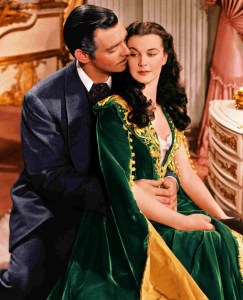


Trouble comes about again, endangering Scarlett, her new husband, Ashley, even Melanie and Rhett. Rhett helps save the day, but Scarlett’s husband is dead. She starts drinking after that and Rhett visits. He proposes, fully knowing what kind of woman Scarlett is. He’s thrilled to be able to shower her with presents and treat her properly. He agrees bring Tara back to grandeur and build a grand house in Atlanta as well. But Scarlett, in her desperate climb to the top, has not gotten a good name in high society. This comes along when she give birth to a baby girl, that Rhett is all too eager to spoil. Her proper name is Eugenia Victoria, but they call her “Bonnie Blue” for her blue eyes. Still vain, Scarlett wishes to regain her eighteen-and-a-half-inch waist line from her youth; Mammy points out that will never happen. So, Scarlett simply won’t become pregnant again. Rhett’s not terribly pleased, especially when she carries on about Ashley and has kept a picture of him all this time. But Rhett will give their daughter a place in higher society, and goes out of his way to be sweet to all the right people.
Ashley doesn’t help matters when he continues to meet with Scarlett, call her dear, wish for her happiness, and give her hugs. They’re caught by friends of Melanie. Scarlett tries to stay home from a party, but Rhett insists she show her face. And Melanie carries on as nothing is the matter. At home that evening, Rhett reveals that he knows Scarlett still drinks. He carries her to bed. Afterwards, Rhett suggests a divorce from Scarlett, though he’ll keep Bonnie. Scarlett refuses, insisting that her daughter will not leave her house. Rhett goes on an extended trip to London and indeed takes Bonnie with him. He butts head with the nanny when Bonnie wakes from a nightmare and Rhett tells the nanny off for leaving Bonnie. The nanny points out that Bonnie will always be afraid if she’s coddled. Rhett dismisses her. Bonnie asks after her mother, so Rhett returns home. Bonnie is thrilled to see her mother. Rhett intends to leave right away for London again, but Scarlett reveals she’s pregnant. They start arguing at the top of the stairs, Rhett jokes that maybe Scarlett will have an accident. She goes to hit him, but he steps out of the way, causing her to in fact, fall down the steps. Scarlett loses the baby and Rhett is worried about her, but is kept from her.
Later, Scarlett is recovering outside and Rhett asks forgiveness. He wants to make another try at their marriage. The two are watching Bonnie ride her pony; the young girl insists she can jump side saddle. Both parents warn that she can’t. She does so anyways and falls off her pony. The fall kills her. Rhett is distraught. Mammy calls for Melanie to help Rhett. Melanie talks him around, but faints afterwards (this may be due to her being pregnant again, which everyone figured she couldn’t or rather shouldn’t, considering how the birth of her son went). Rhett and Scarlett are present as Melanie worsens. Melanie calls for Scarlett and asks her to look after her son, and Ashley. Scarlett throws herself at Ashley when she comes out of the room, which leads to Rhett quietly leaving. Scarlett finally realizes that Ashley truly loved Melanie more than Scarlett, which she promptly blames her behavior on Ashley, for never telling her. Which makes her realize that she loves Rhett and run home to him. Rhett is leaving. Scarlett begs for him to stay; “where shall I go, what shall I do?” “Frankly, my dear, I don’t give a damn” [AFI’s top movie quote of all time]. Scarlett falls to the stairs, sobbing. Then she remembers something her father told her, before the war. “Land is the only thing worth working for; worth fighting for; worth dying for. Because it’s the only thing that lasts.” There’s no getting away from love of the land if you’re Irish (Gerald O’Hara was born in Ireland). That’s what Scarlett will do; she’ll return home to Tara and think of some way to win Rhett back. But she’ll think on that tomorrow, “after all, tomorrow is another day.”
While this is one of my mother’s favorite films, it’s never been one of mine. I can’t rightly tell you why. I watched long movies as a youngster; one of my favorites is Chitty Chitty Bang Bang. This movie has gorgeous gowns and considering I went as a Southern belle for countless Halloweens, I should at least be interested in that. The story does slow down a bit during Scarlett’s second husband…I actually forgot that part of the movie existed, but that’s not something I would have recognized as a youngster.
Nor am I sure that as a child I would have recognized that Scarlett is a vain, selfish character. She gets better for a time. I think she did come to care for Melanie, as much as she looked down on her at the beginning. She wouldn’t leave Atlanta without her. She made sure she recovered well. I liked her character growth when she took over the running of Tara. Then she dropped all of that when she married her sister’s beau. And goes right back to being a priss once she marries Rhett. He almost had a chance of curing her; he had the best chance of anyone. I preferred his characterization once he married Scarlett and he was utterly thrilled when Bonnie was born; aside from wanting to spoil her rotten. Ashley is a bit of a simpleton; he couldn’t have ended things a lot better with Scarlett if he had just laid it all out, firmly, when he announced his engagement. I’m not sure I really understand why Scarlett wanted him in the first place; her main desire was she wanted to steal him from Melanie, but before the announcement was hinted, she was fine flirting with every other man. Ashley let it carry on far too long. But Melanie is the sweetest person I have ever witnessed. She’s not dumb, just can’t see the worst in some people. She sees good in Scarlett, which the young woman needs.
I loved lots of things my mom did, just not this. Don’t know why. Personally, I would not call this the best movie ever, but my heart has been won by other stories… Chronicles of Narnia, Lord of the Rings, How to Train Your Dragon, etc. Nevertheless, it is well done. Margaret Mitchell never wrote a sequel, in fact, this was the only novel she wrote. Scarlett was written by Alexandra Ripley in 1991 (remember, the original book was written in 1935). Rhett Butler’s People by Donald McCaig acts as a prequel and was written in 2007.
What are your thoughts on Gone With the Wind?
Up Next: Back across the pond for Young Victoria





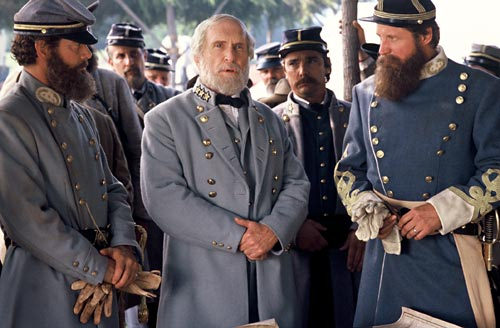
 He continues to speak of the early years. He gave a tour of the docks to shock the aristocrats with the horrors of slavery. Equiano published his account. They had a petition signed by 390,000 of the common people, and Lord Charles Fox of Parliament. This is after Lord Tarleton states there is “no evidence the Africans themselves have any objections to the trade.” (Yeah, I doubt that evidence). Wilber shouts back “no matter how loud you shout, you will not drown out the voice of the people!” Tarleton scoffs at the notion of the people. The bill failed the first year. Five years in, there is talk of revolution in Europe, spurred by the American colonies. And opposition, in the form of abolition teeters dangerously close to sedition in those times. Barbara argues that now is the time to regroup, the war with France is being won and when people stop being afraid, they remember their compassion.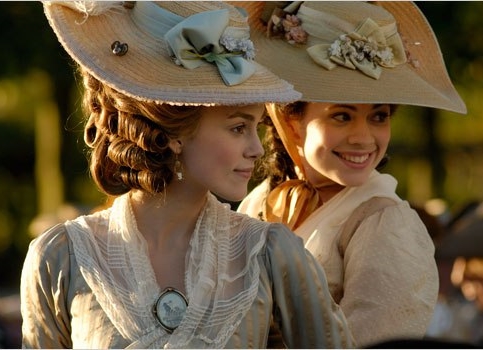
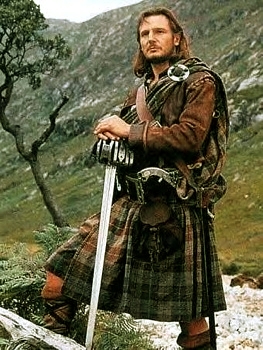
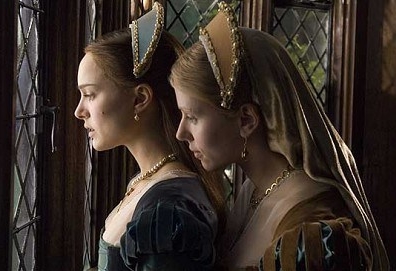 in his path. Anne accepts the challenge. Preparations are made for a royal visit. But when Anne is too daring on a hunt, the king is injured, so the Duke sends Mary to tend to the king. Once Henry returns to court, he calls for Mary, her husband, and family. Mary and Anne become ladies in waiting to Queen Catherine, and William Carey is made a member of Henry’s privy council (a high honor). Catherine suspects why the Boleyn sisters are now in her household and Anne becomes jealous of Mary’s attention from Henry. She tells her sister “I will make my own way.”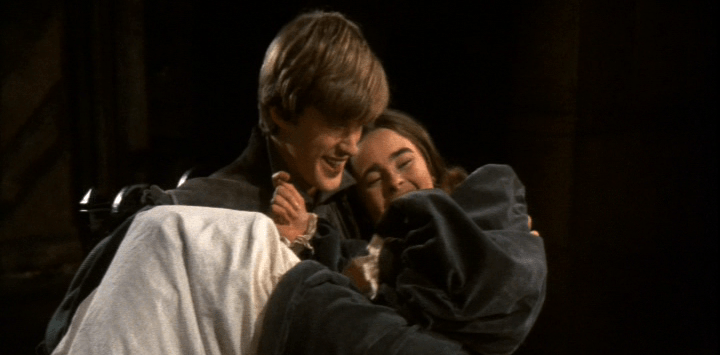

 Godfrey that the man is his father (meaning Balian grew up as a bastard; his life really isn’t going well, is it?) Godfrey gladly takes his son in and begins to teach him the art of being a knight. Even defends him against guards who came to arrest him. Godfrey takes an arrow, which then festers. The Hospitaler tends to Godfrey as best he can, but they make for Messina, the port to the Holy Land. Godfrey instructs his son to serve the king of Jerusalem. On his death bed, he knights his son and calls him to defend the people.
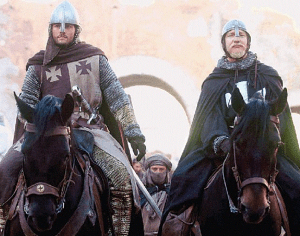 warns him that their army cannot go far from water. Balian stays behind and looks to the defense of the city. And yes, Saladin wins the battle, since the Christian army drops from exhaustion (he points out to his generals where the Christians went wrong; yes God may decide who wins a battle, but tactics and planning also play a part. Simply saying “God will protect us,” does not prevent a sword from cutting a body in two). Saladin cuts Reynald’s throat, but won’t kill another king, so Guy lives.
