Thought I’d take a step away from my musical blogs (don’t worry, already got the next one planned) and mention the elephant in the room: staying at home because of coronavirus. I work retail, so I have not been to work in several weeks. For the most part, I’m handling it fine; I’ve managed to work on other writing projects, I’ve crocheted several afghans, I’ve gotten back to my books (huzzah!), and I’ve caught up on some movies and shows.
So let me go ahead and state: SPOILERS ALERT!
Finally watched Frozen II; I liked the story. I don’t think the music was quite as memorable as the first and I still can’t stand Olaf, but the sisterly bond was great and very interesting to delve into their family history. (Puts to rest the fan connection between Frozen and several other Disney movies, including Tangled).
Also finally watched Crimes of Grindlewald. Excellent. Though while watching, I had to remind myself that Leta Lestrange was not a direct relation of Bellatrix (same family, but distant cousins). And the Dumbledore angle was better than I feared it to be; I thought they would focus entirely on Dumbledore’s infatuation with Grindlewald, but SPOILER a blood pact is a more solid excuse. And I totally do not believe Grindlewald about Creedence’s real name; the only plausible way he is a Dumbledore is as a cousin.
Supernatural has put filming their final season on hold, but it’s ramping up to be a doozy. News was just released that the final seven episodes will air in the fall. Jack is back, yay I guess. I have loved seeing some old favorites again; Benny was seen briefly. Loved that Eileen was back (then dead, then back!) and I really wish that she could get together permanently with Sam. (Then we find Dean someone, unless they make Destiel canon, which would be cool). And it was hilarious to have both Daneel Ackles and Genevive Padalecki back and in the same episode! The alternative universe Sam and Dean were hilarious as well (though can’t beat their father coming back; love that episode and cried along [unless you watch the blooper where Jared hits Jeffrey somewhere with the pearl; everyone is on the floor in laughter]). I really want to punch Chuck in the face and I hope Amara may come back to help. The boys are shaping up to fight God; I believe they will win and save the world because that is what they and the show are all about; but it’ll cost them. I still figure there is a decent chance the show will end with both boys dead; unless they are serious about producing a film later. If not, the only way for the fans to accept that it is over, is for our beloved boys to die. Even then, we’ll still write fanfiction.
Speaking of fanfiction; I was reading something on Facebook the other night about how fanfiction started. I mean, I had an idea, but it was interesting and a little unnerving. I realized why disclaimers are always posted at the top because you don’t want some bigwig suing you, but to find out that fan writers were punished… Some of the more recent successes give me hope; but I still am not likely to post what I have written. I share with a few friends, but I use it for my own practice. And some of this may end up as an essay or article. In case you’re interested, Supernatural accepts its fan writers and the fandom that has sprung up around it, which makes me love the fandom and the stars even more.
MacGyver just finished its fourth season, which went in a different direction than I originally imagined, and has been renewed for a fifth season. Yay! Their season got cut short due to the virus, but they must have filmed enough ahead to finish things up. I personally miss Jack and wish they would at least mention him in the story. Mac’s spiraling a bit and the fans know that Jack would help him. Still not a hundred percent sure of Russ’s motivations, but he at least tries to keep Mac alive; and Matty is still there, yay! I adored the episode with the plane and Mac in Tesla’s house; the writing has been excellent this season. Personally, I have never been fond of pairing Mac with a woman because I feel it detracts from the story and female characters should exist in shows outside their connection to a man. I’ve warmed up to Desi, but still not wholly sure. I like Riley, and I’m liking the Riley – Mac dynamic, but this triangle is only going to end badly. I shed tears when SPOILER James died. And I’m even sad that Auntie Gwen died; because she had just decided to protect Mac and it would have been great for Mac to have a familial connection, particularly to his mother. Though, baby Angus MacGyver is the cutest baby in the world! (And I refuse to believe that he’s named Angus because of a sign for beef; that’s demeaning to the character). Fanfiction should keep me occupied until it’s back.
Also been re-watching Hallmark’s Good Witch, going through the most recent episodes and the movies and now starting at the beginning of the show. Some days I can handle Hallmark and some days I just get annoyed; real life does not give us the right guy and the right job to keep us happy. But I love the magical elements of Cassie and the story. She and Sam are adorable. I’d love to live in Middleton. And when things get rough, there is a comfort in knowing that things will turn out alright; it’s Hallmark.
My mother and I have also managed to catch up on Outlander; we got behind. I miss them in Scotland; that was a reason I loved the show. Not fond of the time they were in the Caribbean, but now that they’ve settled in the colonies, my interest is peaking again. I’m glad Brianna has joined her mother and is bonding with her father. And proud that Roger has followed (though at times he was a bit of an idiot). I’m glad Stephen Bonnet finally was stopped; though I wished it had happened sooner. Whenever I would see Billy Boyd, I kept commenting “bad Pippin!” though I had to explain to my mother what I meant. I like the family that is growing at Fraser’s Ridge, and Ian has returned. Brianna, Roger, and Jemmy have also ended up staying, yay. The final episode; they actually found Claire sooner in the episode I thought they might, but we did get to see Claire’s struggles with the aftermath. I’m sure the time-traveling Native American will return; we’ll have to see what sort of time jump there may be before the next season.
Also enjoying watching the original MacGyver series with my parents and catching episodes of Race to the Edge (still love the show!). We’ve put on a few other movies, like some older James Bond (which was a bit weird), and re-watching the Librarian films (I’ll be covering all of those and the show upcoming. And it also gave me a writing idea). We are also going back and re-watching the newest Star Wars movies in preparation for finally getting to Rise of Skywalker (never fear, they are on the list to cover…down the road; MCU stands between us and them).
As for books; since I am first and foremost a reader; I have made a tiny dent in my “to-read” pile (and bought a few to add). Finally finished Raging Heat, a Richard Castle book (based on the show Castle that I don’t think I’m going to be covering, due to length) and Ireland’s Pirate Queen about Grace O’Malley, which have been on the back burner for a while. Enjoyed Castle and Lost Symbol by Dan Brown. Read Jeffersonian Key by Steve Berry. Few other books in there that weren’t great, but a relatively quick read; got around to Sense and Sensibility and that was a bit boring; the movie helped make sense. Just finished a Philippa Gregory book, The Lady of the Rivers which is a prequel in a way to White Queen (my mother and I have watched the first episode of the series). Parts are interesting and it is relatively well-written, but parts are now appearing a bit implausible (which happens with her books). Now I can move on to other books on my list. My Richard Castle, Nikki Heat series is up to date, but I want to get to some others first. I’ve got half a shelf of romances that I need to catch up on, so I can go looking for those newest books. Picked up another Librarians novel (based on the show) and some Peter Jackson/ Lord of the Rings books (like I need more of those). Some history series and the first book to a couple fantasy series I’d like to try. Some fun books I am holding off on as a reward, like behind the scenes of MacGyver, the last How to Train Your Dragon art book (I am that much of a nerd).
What are you guys doing to keep your minds occupied? Any good movies or books? Creative projects?
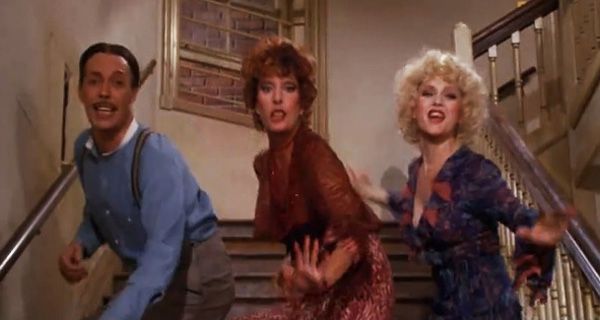
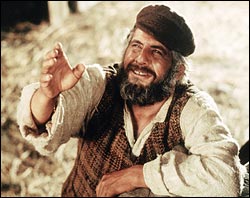 At Tevye’s home, Yente the matchmaker visits with a match for the eldest daughter, Tzeitel. Tzeitel’s next younger sisters Hodel and Chava are eager for Tzeitel to marry so they may marry next. But Tzeitel points out the consequences of Matchmaker. They are poor girls with no dowry, they’ll be lucky for any man, not necessarily the perfect match. Tevye arrives home, tired from working and ponders If I Were a Rich Man (and everyone knows the dance for that!)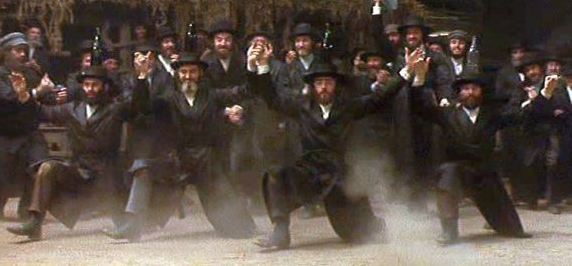


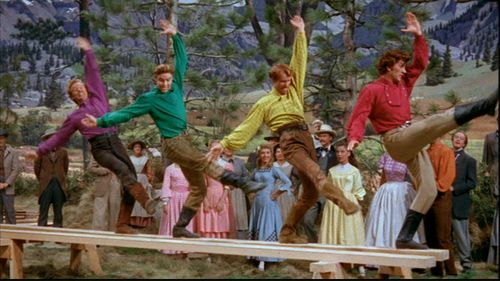
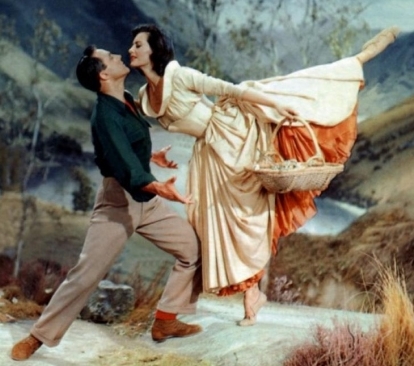

 At home, she discusses the incident with her mother; it’s not that she wants to be single all her life, but the right man has not come along. Most stage productions, including ours, include the song My White Knight, which I find rather romantic, for she doesn’t want a true white knight, but rather a more common man, but with shared interests. But the 1962 film switched it to Being in Love. The town is excited when the Wells Fargo Wagon rolls into town, each wishing for something special. It carries the instruments and Winthrop excitedly shows it to Marian, speaking for the first time in years, not worried about all the “s’s.” The look in Marian’s eye changes. In fact, she rips a page out of a book before handing it over to the mayor.
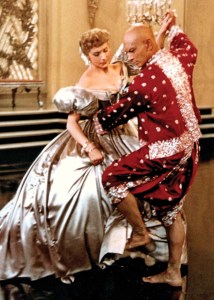
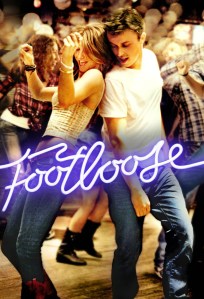 included music, like the title track by Kenny Loggins, who also did Danger Zone from Top Gun). Big city kid moves to small town to discover they have outlawed dancing due to an accident several years ago. He hooks up with the preacher’s daughter, Ariel, who’s acting out against her father. Everything is eventually resolved and they do hold a dance at the end. The newer version came out in 2011 and starred Julianne Hough (Dancing with the Stars pro) as Ariel and Kenny Wormald (a professional dancer as well) as Ren. Dennis Quaid plays the town’s preacher. It was updated from 1984 and I like the newer dance moves, though it is a very close remake. There’s a fun country song by Big and Rich, Fake ID (I can stand country music, I will not claim it as a favorite). Ok, the demeaning way his friend talks about women sometimes makes me want to slap him.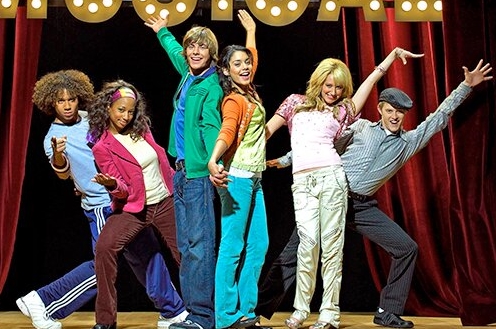
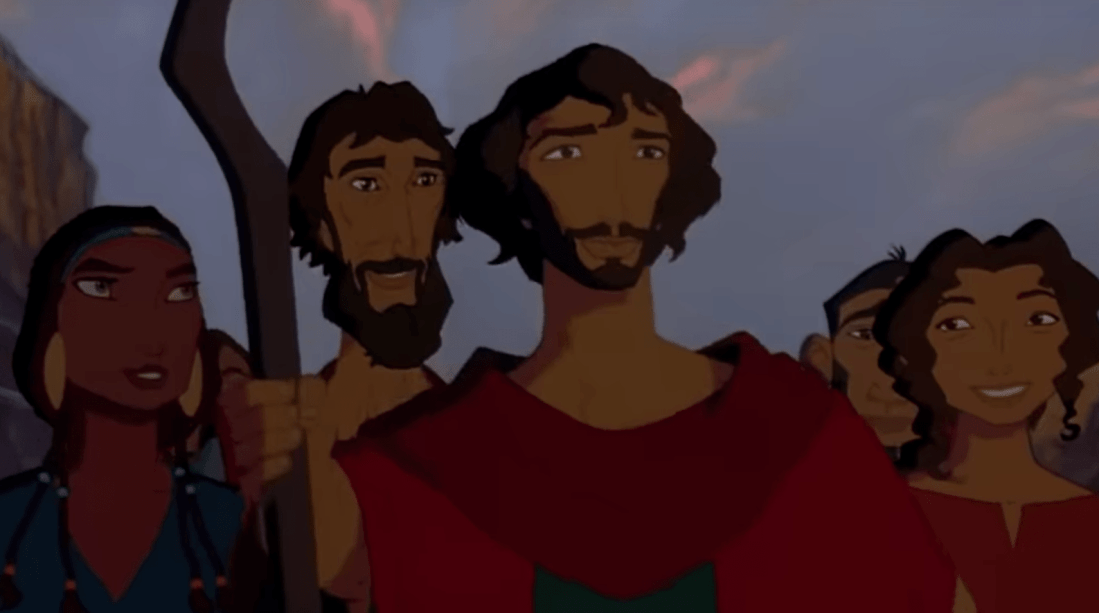
 through their father’s buildings. They cause mayhem and are chastised by Seti afterwards. He expects a lot from Rameses, who will succeed him as Pharaoh. Moses pleads for his father to not blame Rameses and suggests that his older brother only needs an opportunity to prove himself. Rameses is granted that opportunity at a banquet that night; Rameses in turn elevates Moses’ position. Priests Hotep and Huy are told to give the princes a gift; they have captured a foreign young woman. Moses is not the kindest to her upon meeting, but that night, he distracts guards to let her escape. He follows her to the slave quarters where he encounters Miriam and Aaron. Miriam thinks her brother has knowingly come, but he is unaware of his true heritage. Aaron pleads for mercy, but it’s not until Miriam repeats their mother’s lullaby that Moses realizes the woman speaks truth when she declares “I know who you are, and you are not a prince of Egypt.” She suggests he asks the man he calls father.